
The Importance Of School Lunchtimes
Apr 24, 2023 • 4 minutes
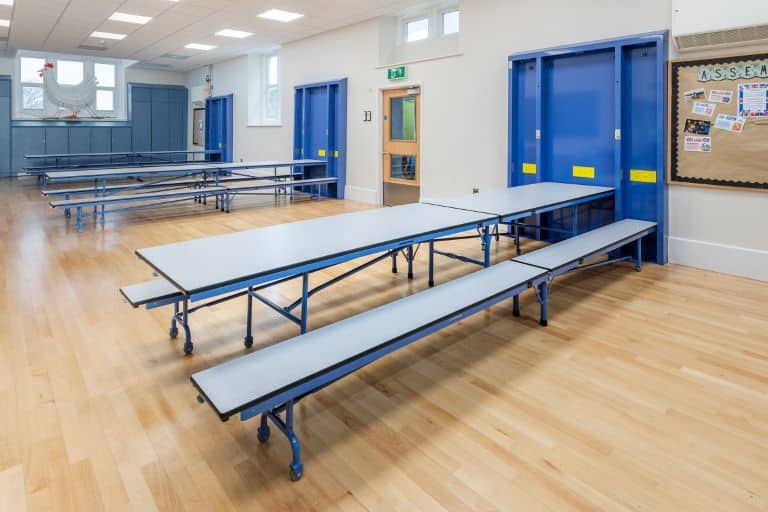
Lunchtime is a key part of the school day. Not only does it provide a break from study for students and teachers alike, it is an opportunity for the entire school community to refuel for the afternoon and to engage with one another outside of a classroom environment. Because of this, it is important that every place of learning has suitable dining tables for schools to ensure their pupils and teachers are able to make the most of their lunchtime.
In this article, we are going to look at some of the things that make lunchtime in school such an important part of the day and how high-quality dining tables and chairs can help.
Social Interaction
A dining hall with enough space and a relaxed atmosphere gives students the chance to talk, listen and spend time with their peers in a way the classroom does not always allow. For some students, particularly those who are quieter or more anxious in group settings, lunch is the part of the day when they feel most comfortable socialising. Dining room seating that offers plenty of space to interact with one another can help with this, as can circular or cluster tables that promote group interaction.
Behaviour After Lunch
Research has found a direct link between the quality of the lunchtime experience and how students behave in the afternoon. When students eat in a calm, comfortable setting, they tend to return to lessons more settled and more willing to engage. When lunchtime feels rushed, noisy or chaotic, that carries into the classroom too. The furniture, the layout, the noise level and the flow of movement through the hall all play a part in which way it goes, and small improvements to any of these can make a noticeable difference to the afternoon.
Communication Skills
Lunchtime conversations are unscripted and entirely student-led, which is what makes them so different from almost every other interaction in the school day. Without a teacher directing the discussion, students practise negotiation, active listening, turn-taking and the ability to hold a conversation with someone they might not otherwise spend time with. These are skills that structured lessons can teach in theory but that students develop far more naturally when they are sitting around a table with their peers. A dining environment that gives students the time and space to do this, rather than rushing them through and out, supports that development.
Nutrition and Academic Performance
What students eat at lunchtime affects how they perform in the afternoon. A balanced diet supports cognitive function, memory and attention span, and for some students the school lunch is the main hot meal they eat in the day. A dining environment that feels comfortable and unhurried encourages students to sit down, eat a full meal and take the time to enjoy it. A space that feels noisy or unwelcoming tends to have the opposite effect, with students eating as little as they can get away with before heading outside.
Schools can reinforce this through nutritional education built into the dining experience itself. Cooking workshops, displays about food groups and growing fruit and vegetables on school grounds all help students develop an understanding of healthy eating that extends beyond the lunch hall. The UK government sets specific requirements for school meals covering starchy foods, fruits and vegetables, protein, dairy and drinks, and a well-designed dining environment makes it easier for schools to meet those standards while keeping the food appealing enough that students want to eat it.
Ergonomics and Physical Comfort
Dining furniture affects how long students are willing to sit and eat. Non-ergonomic seating leads to slouching, discomfort and fatigue, and students who spend their lunch break shifting around trying to get comfortable do not get the mental or physical break they need before the afternoon. Over time, poor seating habits can become ingrained and research suggests that children who experience back pain at school are more likely to carry those issues into adulthood. Furniture that complies with BS EN1729 (Part 1) is sized appropriately for different age groups, which means students can sit with their feet on the floor, their backs supported and enough room to eat comfortably.
Talk to Us About Your Dining Hall
Whether you would like to upgrade your current dining furniture or are looking for something new, we have delivered a number of multipurpose and dining hall projects that meet the needs of education environments. Here is what our customers had to say about our work.
Contact us today to find out more – call 0330 030 0330, email: [email protected] or visit the Versa section of our website.
A well planned dining hall can do more than improve lunchtimes. One school increased its pupil numbers after rethinking its dining space.